
Modern horrors exhibited in popular TV show
Today, our society seems to be attracted to the dark and macabre. A mix of both the darkness of real life and the supernatural is brought forward in the modern masterpiece “American Horror Story” developed by Brad Falchuk and Ryan Murphy.
The first season of “American Horror Story” titled “Murder House” features the story of a family who moves to a Victorian house in Los Angeles after the husband, Ben, played by Dylan McDermott cheats on his wife Vivien. Trying to leave behind their marital problems, Ben and Vivien take their daughter, Violet, played by Taissa Farmiga, and move their lives across the country.
As the story progresses, new characters are introduced. The kicker? They’re all dead. Vivien, Ben, and Violet are just a few of the people living in the house built in the early 1900s. The rest all died gruesome deaths in what is known as “The Murder House.” However, when they die, they don’t leave.
Although there are several different stories about the previous, now deceased, owners of the house, much of the show centers around Tate, played by Evan Peters a deeply troubled teen with a dark past and the son of the family’s neighbor, Constance. Violet develops a relationship with Tate, which her father vehemently opposes. Ben, acting as Tate’s therapist, hears Tate’s troubling fantasies, which include killing everyone close to him.
Meanwhile, Ben and Vivien’s relationship is on a rocky downward slope. While Vivian is pregnant, Ben finds out that Hayden, who he cheated on his wife with, is pregnant also. When Hayden shows up with wild ideas about getting back together with Ben, she finds herself killed with a shovel instead. And as it turns out a crazy, hormonal ex-girlfriend is not someone you want haunting you.
The fact that two of the central story lines revolve around real life, dark situations make this show infinitely better. Violet and Tate are teens dealing with depression, Vivien and Ben are dealing with an unhappy marriage. The real-world situations make the Murder House even more dark and dangerous, and even more relatable. 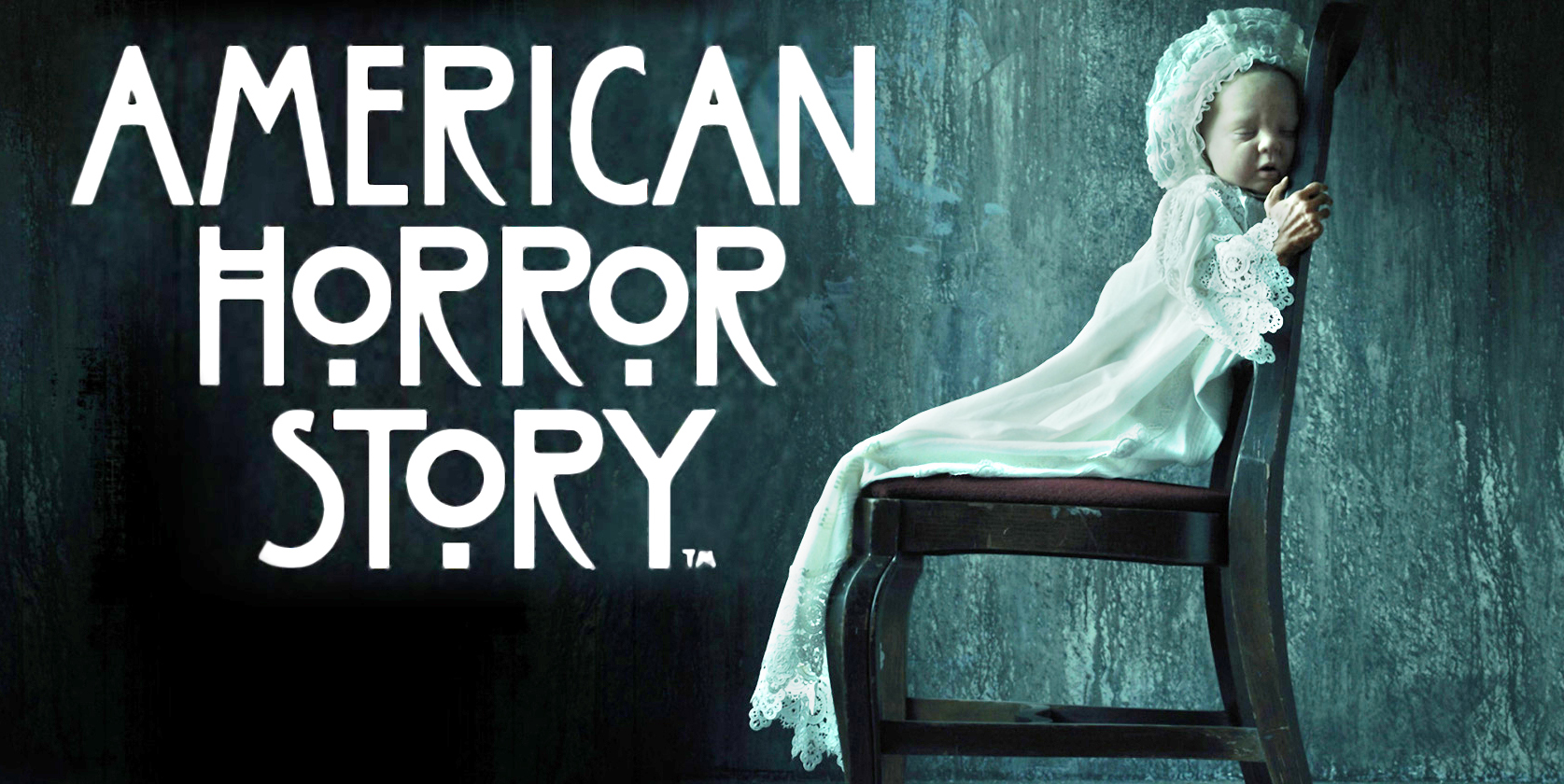
For those who don’t like the scary genre, don’t worry. Although I was slightly nervous about venturing into the world of “American Horror Story: Murder House” I’m extremely glad I did. I’ve never been a fan of horror; I stay far away from movies like “Saw” and “The Ring.” Although “American Horror Story” has scary moments, it is more of a drama than a horror. Rather than gore and blood dripping from the walls, there are the horrors of today’s society which include family problems and depression.
The best part about “American Horror Story” is it’s intricate story line. There are so many different story arches that participate in the bigger story arch. Constance, played by Jessica Lange, seems to be just a friendly neighbor, but some digging unearths her literal and figurative skeletons in the closet.
Then there is the story of Nora Montgomery, played by Lily Rabe, who is the wife of the man who built the house. Her story revolves around how her husband went crazy, developed a Frankenstein syndrome, and created monsters in his basement. Throughout different episodes, more and more of Nora’s life is revealed.
Out of all the stories of the dead and the living, the most disturbing is the story of Constance. Lange’s character is the kind of character you love to hate. Sometimes you pity her, but not often. Her children, Addie, Tate, and Bo, have more problems than a high school math class, all obviously caused by her mistreatment of them.
My personal favorite character in the show is Tate. The first time Tate is introduced, he explains to Ben that he wants to help people by taking them away from the filthy world. Tate’s darkness and pain is revealed throughout the show, and he walks a delicate line between anti-hero and villain. At one point, Violet says about Tate “I thought you were like me. I thought you were attracted to the darkness. I was wrong. You are the darkness.”
While Tate may be a sociopath, he humanizes it, making one sympathize with his plight. Tate’s darkness, in fact, is a perfect example of how the show deals with real-life horrors. His story is not one of supernatural demons, it is the story of a deeply troubled and depressed teen, which is a true problem in today’s society.
Character development like this has become rare in television shows, especially when it comes to Murphy. After a few seasons of Murphy’s “Glee,” characters flattened and became predictable. Luckily, “American Horror Story: Murder House,” is contained in one season. The story does not stagnate and characters continue to fascinate and draw in your attention.
All the stories of both the living and the dead intertwine and keep the viewer watching and guessing. Although the main plots are about Vivien and Ben and Violet and Tate, I watched with bated breath wanting to know how Chad and Patrick, the previous owners of the house, met their fateful end. Or why the maid, Moira, is so literally two-faced.
“American Horror Story: Murder House,” is a show that is definitely worth a watch. The creative story is enough to keep anyone on the edge of his or her seat, and it’s always nice to have a little bit of a scare worked in.