
Don’t sacrifice your privacy for social media
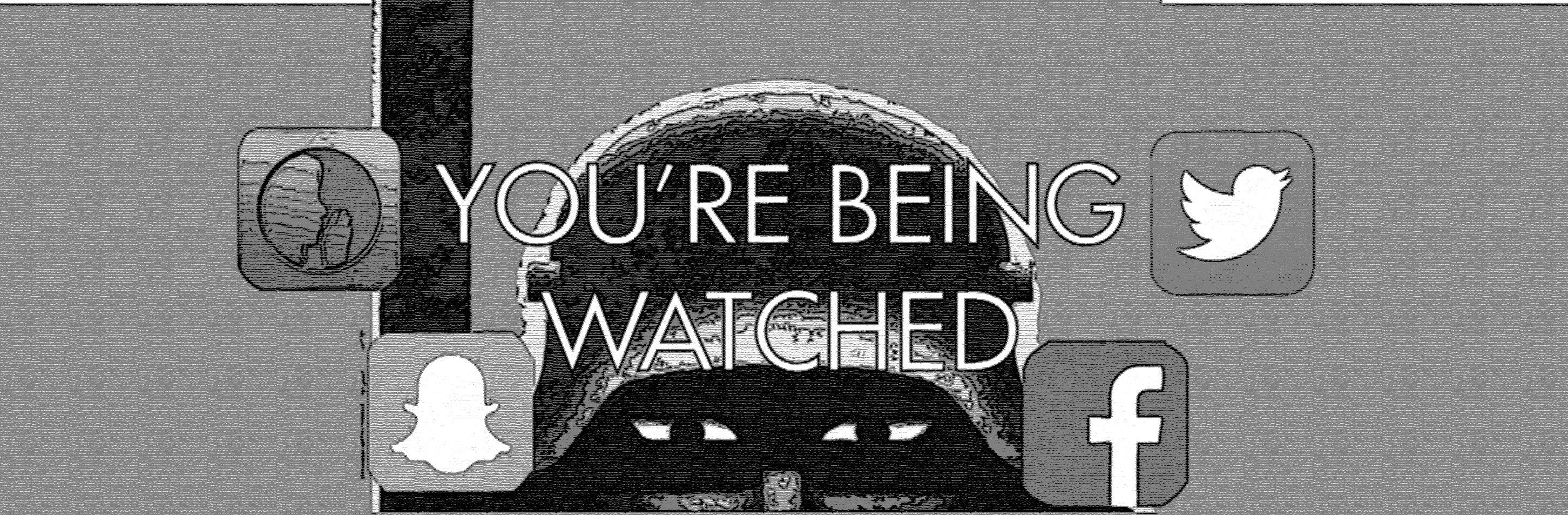
Snapchat is a cell phone app that allows users to take a photo, attach text, place a timer on the message, and then send it to a friend. After the message is opened, the timer counts down and once it’s expired, the message supposedly disappears forever.
But did you hear that Snapchat got hacked?
Two weeks ago, hackers leaked an archive containing over 200,000 images. While most news reports indicate that this hack was limited to users of a European-based third-party application that allowed users to save Snapchat messages, Snapchat has issued statements assuring its users that they can continue using the app without fear of their privacy being violated.
But that doesn’t mean you’re out of the woods. After the timer has run out on a snap, your phone still shows the sender’s user name and when the message was sent. That’s a lasting record, and almost everything you do online leaves behind a similar trail of breadcrumbs. It’s hard telling what other information might be saved elsewhere.
Recently, The Guardian published a story about Whisper, another popular cell phone app that allows users to anonymously post a short message. By keeping your identity a secret, Whisper gives you the power to share things publicly that you might not feel comfortable posting on other social media websites.
How this app is used depends on the end user; it could be something as mundane as naming your crush, to something serious, like whistle-blowing on government corruption.
However, The Guardian reporters found that Whisper has been collecting these messages and storing them in a searchable database along with data about the user’s location. Users could opt out by disabling the location settings attached to their messages, however, it wasn’t expressly stated that Whisper wouldn’t track your location through other means.
Whisper has been tracking the location of users who share potentially newsworthy secrets, and The Guardian was at one point discussing a partnership with the company to develop reporting on a number of issues garnered from Whisper posts. However, The Guardian backed out of the deal once it learned that Whisper was not being fully transparent with its users regarding what information it collects. Good on The Guardian, and shame on Whisper for misleading the public, intentionally or not.
But here’s the watch-word: Transparency. It’s a delicate balance between providing someone a service for free and bringing in revenue to keep your company in operation.
By now we should all be aware that Facebook, Google, and Twitter collect information about what we post online and then sell that data to advertisers. By using a complicated series of algorithms, social media websites deliver you related stories, trending topics, and targeted advertisements based on what you post, like, and share. You aren’t so much a user, but a product passed on and sold to marketers.
The issue is that the algorithms these sites use constantly change, and no one outside of social media companies knows exactly how they work. The word, again, is transparency.
Facebook to be specific has made numerous changes to its algorithm; when you click on a story someone has shared, you might notice how related stories pop up underneath it. Facebook has tweaked that algorithm multiple times in an attempt to filter out spam, memes, and click-bait UpWorthy articles. It changed again in the aftermath of the Ferguson, Missouri, protests after receiving negative criticism; users’ newsfeeds were cascaded with viral ice-bucket challenge videos, while news that begged for our attention went largely ignored and unnoticed.
Over the summer, news broke that Facebook conducted behavioral modification research in 2012 on some 700,000 users without their consent. The story raised ethical concerns and lawsuits have been filed against the company in the U.K. for potentially violating British laws.
Again, the watch-word is transparency. While applications and websites provide us wonderful new ways to communicate and share our experiences, the downside of this technology comes from the lack of accountability and full-disclosure on the part of the service provider.
So who is to blame for all of these transparency issues? Who is to blame for our privacy being violated? Who do we hold accountable for our trust being broken?
While companies certainly need to ensure they secure their customer’s information, I’d argue that it’s your responsibility to protect your information. By using this technology, you are complicit in how companies use your information. Your usage means you submit to sacrificing privacy while faceless corporate entities reap outlandish commercial profits.
So while we can all complain about getting hacked or having our privacy violated, no one is holding us at gun-point. You weren’t forced to tweet that picture of your lunch, nor were you forced to snap that naked picture of yourself. The inherent risk of putting anything online is that the person viewing that information might not always be your intended recipient, and it’s almost to the point where the concept of privacy has become a novelty.
Activists and law-makers can continue to push companies to be more responsible, secure, and transparent about their motives, but the easiest and surest way to protect yourself and maintain your right to privacy is simple: limit your use of these technologies and avoid sending anything you wouldn’t be comfortable seeing on the front page of a newspaper.