
Sheldon Museum of Art’s show explores views of nature
Old meets new in Memorial Hall’s newest Main Gallery art show, an exploration of a timeless force on the human landscape: nature. On tour from UNL’s Sheldon Museum of Art, the show, titled “Depicting Nature, From Scientific to the Sublime,” features 16 works which “explore the various ways that artists explore nature.” This statement comes from the elegant show pamphlet, which outlines the works on display.
Professional programs aren’t the only luxury which the Sheldon brought to Chadron. The natural explorations which line the gallery walls come from all walks of America, including German and Japanese-born artists. Educational information hangs besides each piece, which surpasses the usual “name, title, and medium” placards of other shows. The Sheldon cards describe the work, artist, and the cultural atmosphere that produced the piece, making the show a mental and visual pleasure. CSC’s gallery team always works to present meaningful shows, and every time the college host’s a Sheldon show, the results are always worth seeing.
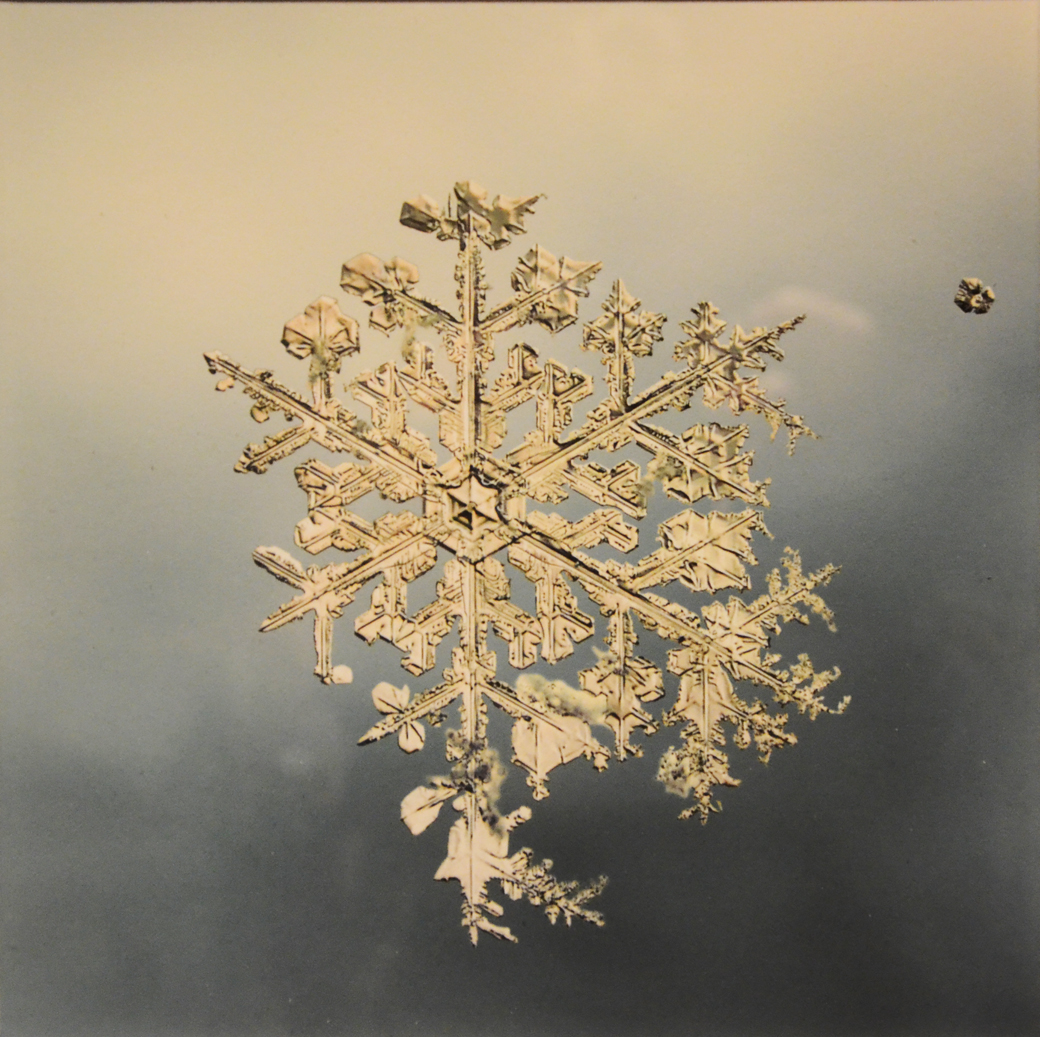
It is humbling to live in a natural landscape like Chadron and see a show with generations of nature-devoted art. The works span 141 years of natural contemplation, and range from pastoral oil paintings to abstract amoeba outlines. One piece, a minimalist print by Harry Callahan, is entitled “Grasses in the Snow: Detroit.” In 1943, Callahan scattered this piece’s white background with long black lines, which fade into gray like the wintery grass they’re named after. Nearby, a perfectly-detailed photo of a snowflake reflects how Doug and Mike Starn saw the same subject as Callahan, 67 years later.
The techniques vary too. A chromolithograph, the process of chemically printing images popular in the 1800s, hangs next to a misty photograph from 2007. The common thread holding these widely disparate works together is nature. As Spring still seems far away, the art in Memorial Hall reminds frozen gallery goers of the full spectrum of natural beauty. Realism hangs next to abstraction, and century’s-old pictures rest beside modern pieces. Whether its a molecular view of plant sugars or an impressionist’s take on a river, the show draws fragments from many visual takes on nature and weaves them into one thought-provoking whole.