Shots fired over 2nd Amendment rights during gun debate
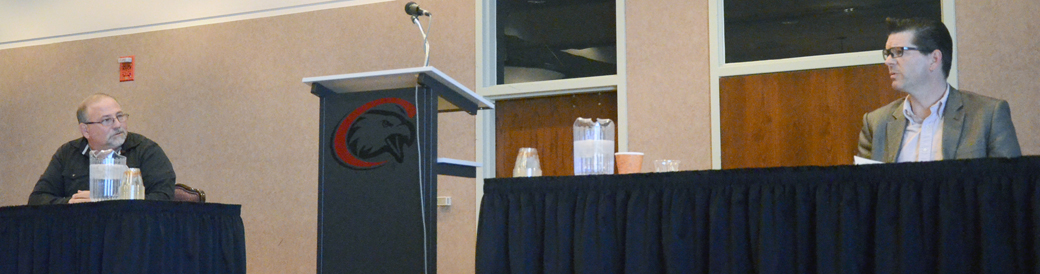
The Social Science Club, in collaboration with CAB, hosted its semi-annual debate Tuesday in the Student Center Scottsbluff Room. The debate centered on Second Amendment and if it applies to ones self-defense.
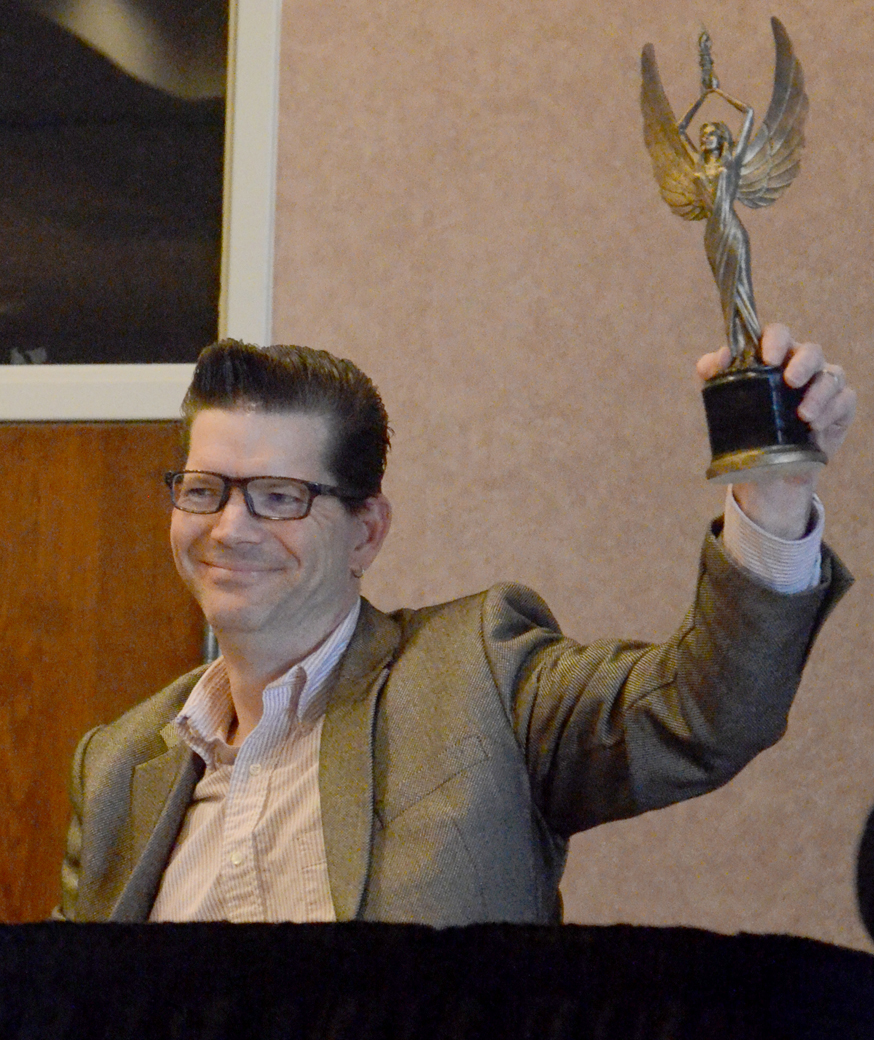
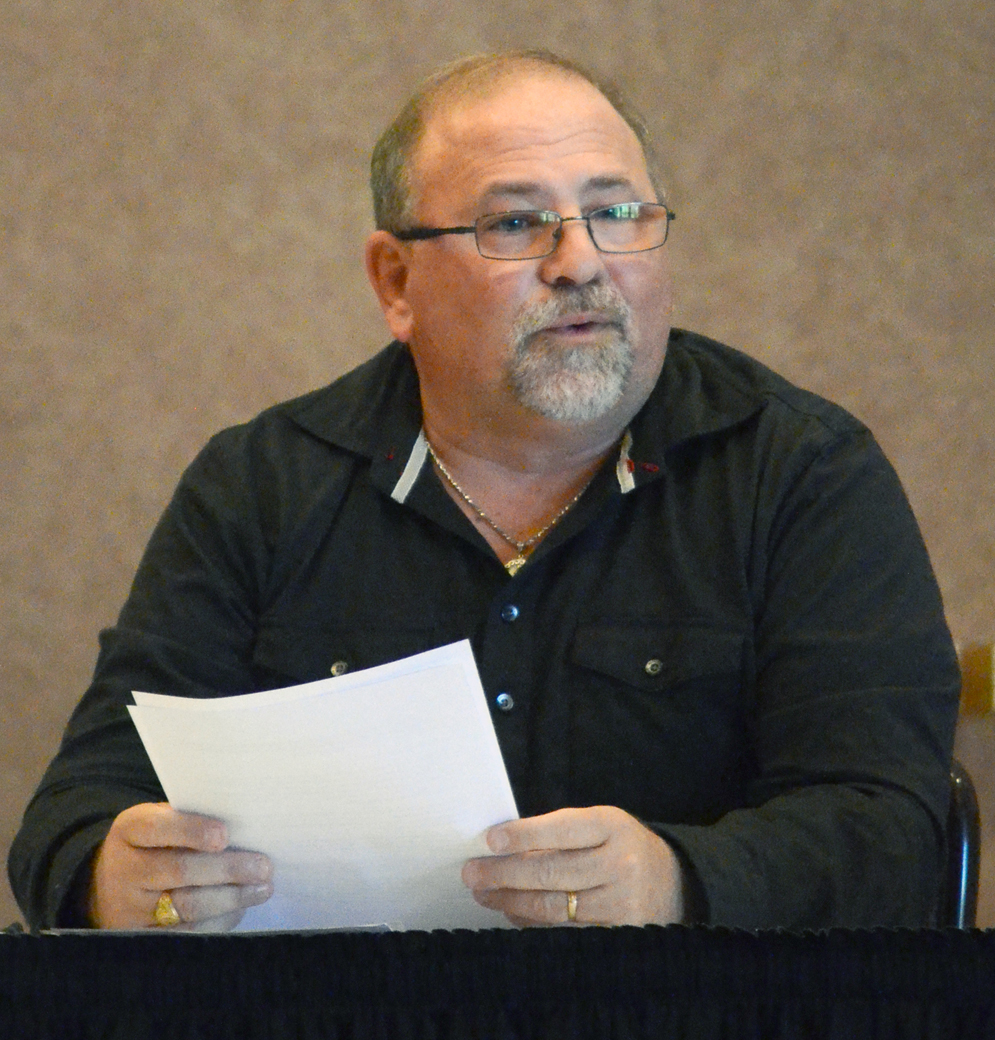
Debaters for the event were David Nesheim, social & communication arts assistant professor, arguing in the negative, and John Buttiglieri, education assistant professor, arguing in the affirmative. Final verdicts went in Nesheim’s favor to win the debate.
Buttiglieri’s and Nesheim’s debate did not focus on whether or not the Second Amendment applies to one’s self-defense, but in the interest of the debate the 2008 case of District of Columbia vs. Heller was referenced to expand both side’s presentations and rebuttals.
Buttiglieri’s affirmative presentation looked at the case on how District of Columbia Police Officer Dick Heller sued the district after being denied a permit to own a gun in his home for one calendar year. Heller’s argument was it violated his Second Amendment rights.
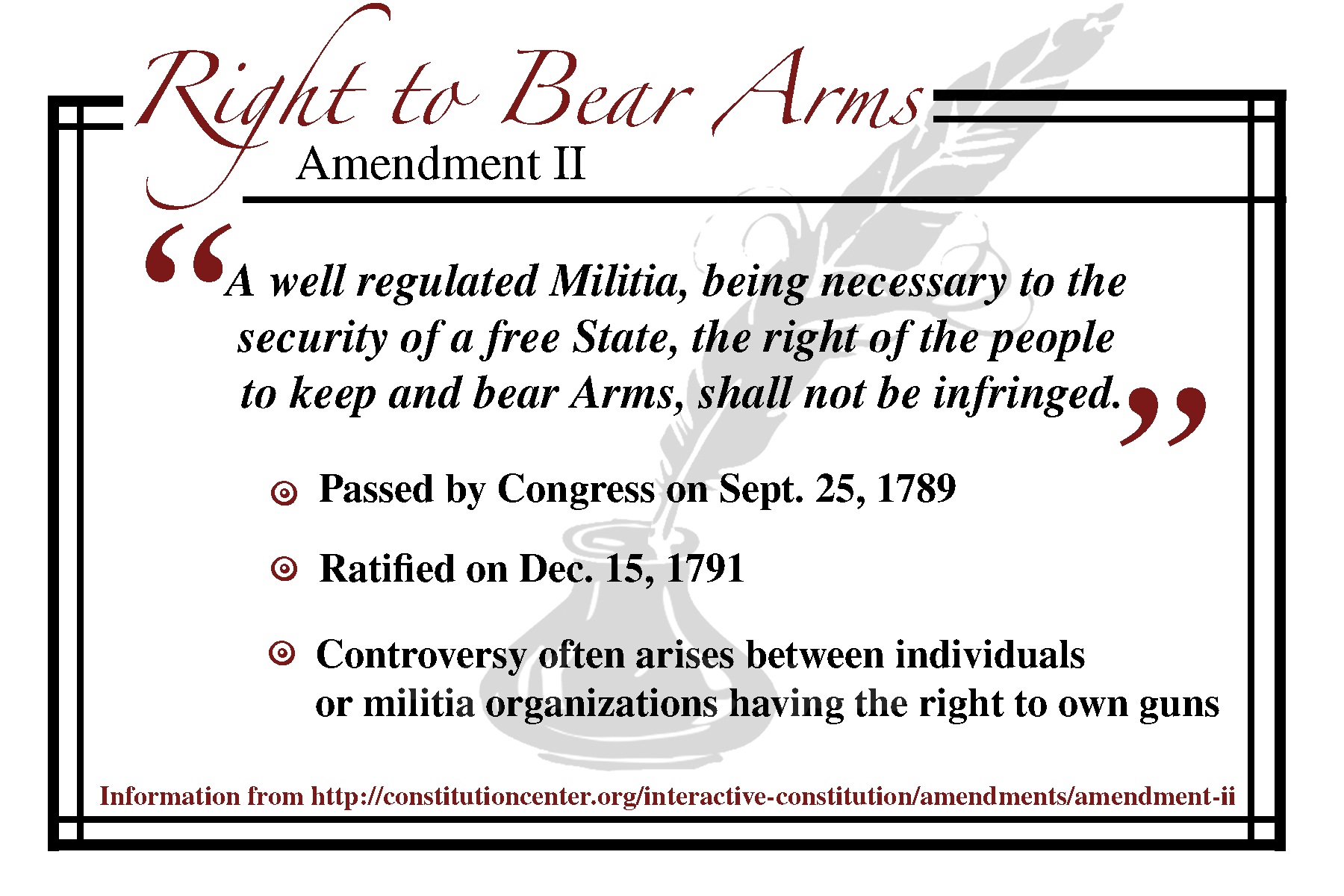
Buttiglieri explains the case centered on the individual’s right but also how people view the wording of the Second Amendment. According the Cornell University Law School website, the Second Amendment reads:
“A well regulated Militia, being necessary to the security of a free State, the right of the people to keep and bear Arms, shall not be infringed.”
Buttiglieri said the Second Amendment is constantly debated based on the wording and where the commas are placed.
Nesheim’s negative presentation looked at the definitive meaning of the Second Amendment and how self-defense does not apply for individuals, but for militias. He stated that when James Madison originally drafted the Second Amendment he had two chances to add self-defense to it but chose not to.
In their rebuttals, both debaters looked to clarify any questions or confusion that either side had based on their presentations and cross examinations.
In Buttiglieri’s rebuttal, he talked about if the Second Amendment dealt with militias or people, and if it’s just militia why are cops not included. Buttiglieri also argued for people to use logical common sense, saying the original founders of the United States had just fought a monarchy and wrote these amendments to give people power and not just the government.
Nesheim’s rebuttal focused back on the revisited 2008 case of District of Columbia vs. Heller. He states it is based on the subject of self-defense and Second Amendment rights. His argument is that no cases prior to Heller ever involved individuals but militias and reinforced Madison had the opportunity to include self-defense but never did.
Both debaters’ conclusions reinforced their original presentations to leave one last impression for the judges.
Judges for the night included Shaunda French, social & communication arts assistant professor; Kathleen Kirsch, social & communication arts professor; and Tiffany Hendrix, market development director, bridge English program.
French commented on how both sides presented great debates and the research and work they did prior to the debate was extensive and thorough.