
CSC students receive NASA grants
Three CSC students have received the NASA Nebraska Space Grant to pursue research in their selected fields.
With over 40 recipients, Jessica Rowshandel, 37, senior of Los Angeles; Chance Adolf, 23, junior of Papilion; and Isaac Langan, 22, senior McCook, each received $4,000 grants to conduct research from now until February. In April, the three will present their research to the Nebraska Academy of Sciences.
During the application process, applicants were asked to relate their research to space and NASA’s goals. Rowshandel and Adolf, both geoscience majors, will conduct research that will help establish the geology of Mars. Langan, a chemistry major, will be looking at local uranium levels, a process that may be used in future water testing on Mars.
A major proponent for applying for the NASA research grants was Michael Liete, professor of physical and life sciences, at CSC.
“Dr. Liete is amazing. If it wasn’t for him, this wouldn’t have happened. He is the reason I applied for the grant,” Rowshandel said. “It’s really incredible to do actual research.”
“For a lot of us, research is required at Chadron to graduate, so he understands that if you’re gonna do the research, it’s nice to have a grant for it,” Langan said.
 Jessica Rowshandel
Jessica Rowshandel is an undergraduate geosciences and mathematics student at Chadron State College and pursuing a career in planetary science and science writing. She has a bachelor’s degree in forensic psychology and an master’s in social work. As a NASA Nebraska Space Grant Fellow, she will be researching new analog mapping sites that mimic a variety of Mars settings, which could then be used for testing unmanned aerial vehicle (UAV) geologic mapping capabilities. She will create a database of these locations ranked by suitability. The purpose of this research is to help ensure the greatest probability of success with UAV-assisted geologic mapping in order to provide over-the-horizon views of potential science targets, sample cache locations, and reconnaissance of safe navigation paths for the first possible UAV-assisted Mars mission (i.e., the Mars Helicopter proposed for the Mars 2020 mission).
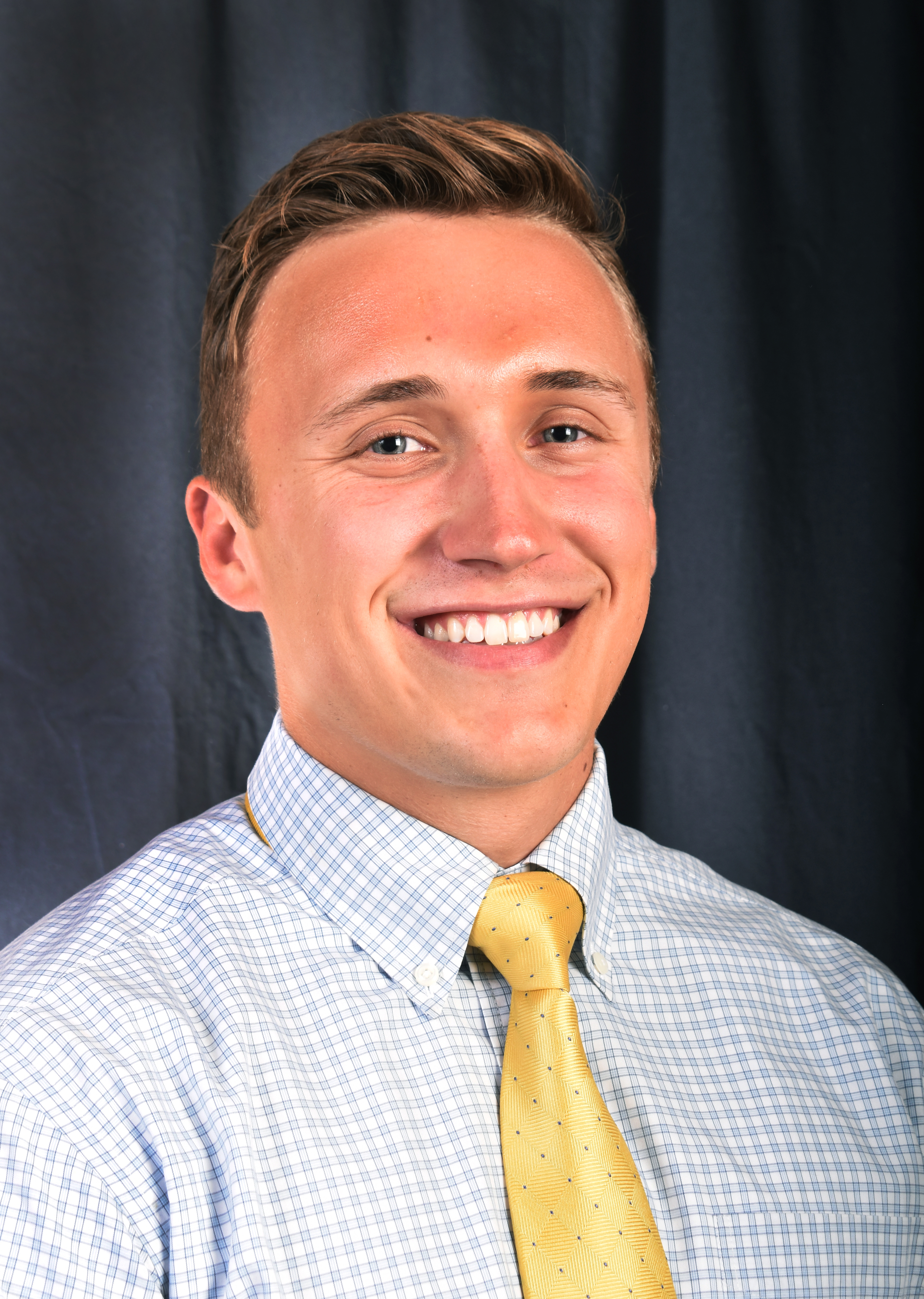 Chance Adolf
Chance Adolf is an undergraduate student at Chadron State College pursuing a major in geoscience and a minor in water resource management. As a NASA Nebraska fellowship recipient, he will be conducting research involving the development of quantitative mapping standards for robotically generated maps that can be used to assess both quality and accuracy. With geologic mapping now possible on Mars because of NASA’s rover program, geologists need some objective measures with which to judge map accuracy. Standards developed in this research could potentially offer conventional guidelines for robotic (rover) assisted geologic mapping on Mars with the goal that the maps be as good as maps generated by human geologists.
 Isaac Langan
Isaac Langan is an undergraduate student at Chadron State College pursuing a major in chemistry. As a NASA Nebraska Space Grant Fellow, he will be researching the uranium levels near the Crow Butte uranium mines in Western Nebraska from private uranium wells, as well as looking at the nitrate concentrations. He will also be examining the uranium concentrations in water, which will relate to NASA’s search for quality water on other planets, specifically Mars. Besides the polar ice caps located on Mars, there are possible secondary aquifers on the planet. Because the water does not reach Mars’ atmosphere, it may be usable, which is where Langan’s research will come into play.